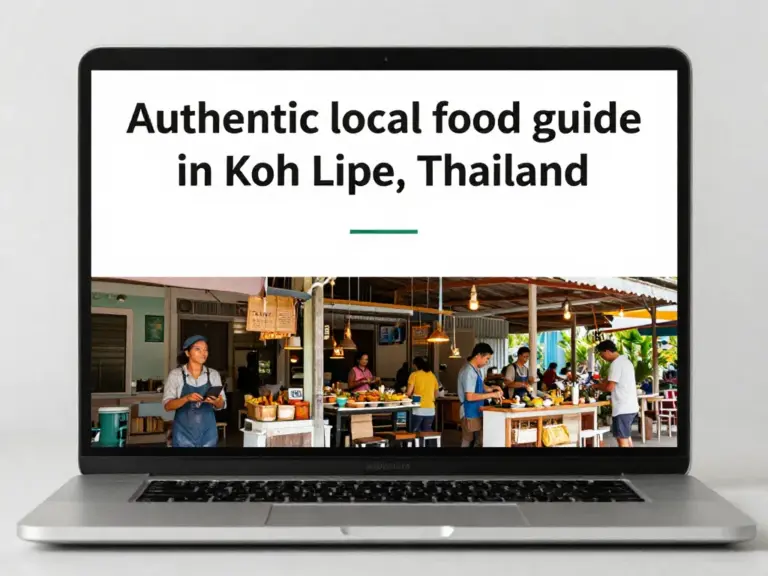
Where to Eat Authentic Local Food in Koh Lipe: A Complete Guide
Koh Lipe is often celebrated for its stunning turquoise waters and vibrant coral reefs, but for the discerning traveler, the island’s culinary landscape is just as captivating. Finding authentic local food in Koh Lipe can sometimes feel like a challenge amidst the plethora of tourist-centric pizza joints and international cafes. However, if you know where to look, you can uncover a treasure trove of Southern Thai flavors, fresh-caught seafood, and traditional dishes that define the local culture.
This guide is designed to move you away from the generic menu items and toward the authentic, soul-satisfying meals that the residents of Koh Lipe enjoy daily. Whether you are craving spicy curries, grilled fish seasoned with local herbs, or simple noodle soups, this complete guide covers the best spots to eat like a local.
authentic local food in Koh Lipe: Understanding the Culinary Landscape of Koh Lipe
The food culture in Koh Lipe is heavily influenced by the Southern Thai region and the Urak Lawoi (Sea Gypsy) community. Unlike the sweet and creamy curries of Central Thailand, Southern Thai cuisine is known for its bold, spicy heat and heavy use of turmeric, fermented fish sauce, and fresh seafood. When searching for authentic local food in Koh Lipe, you are essentially looking for places that prioritize these traditional flavor profiles over mass-market appeal.
Most of the authentic dining options are located away from the primary Walking Street thoroughfare or tucked into the quieter corners of the island. While Walking Street is convenient, venture slightly outward to discover family-run kitchens where the ingredients are sourced daily from the surrounding Andaman Sea.
Top Categories for Local Dining
To help you prioritize your dining choices, we have categorized the types of establishments where you are most likely to find genuine local fare. Use this table as a quick reference for your next meal on the island.
| Type of Eatery | What to Expect | Best Time to Visit |
|---|---|---|
| Family-Run Shophouses | Homestyle cooking, curries, and stir-fries. | Lunch (best for curries) |
| Seafood Grills | Fresh catch, grilled to order with local chilies. | Dinner |
| Street Food Carts | Noodles, Roti, and snacks. | Evening |
| Local Markets | Prepared meals and fresh fruits. | Late Afternoon |
Checklist: How to Spot Authentic Local Food
Not every place serving Thai food is authentic. Use this simple checklist to determine if a restaurant is likely to serve genuine local cuisine:
- Look for the Crowd: Are local residents eating there? A high ratio of locals to tourists is the best indicator of quality.
- The Menu Length: Authentic spots often have shorter, specialized menus focusing on what they do best, rather than pages of diverse international options.
- Spice Levels: If a place serves traditional Southern Thai dishes, they should be prepared to make them spicy—if they ask “spicy or not?” and you say yes, expect a genuine kick.
- Visual Cues: Look for open-air seating, plastic chairs, and simple, functional decor rather than air-conditioned, high-end aesthetics.
- Freshness: If it’s a seafood spot, ask about the daily catch. Authentic places will tell you exactly what was brought in by the local fishermen that morning.
Recommended Dishes to Try
When you find a spot serving authentic local food in Koh Lipe, don’t just order the standard Pad Thai. Challenge your palate with regional specialties. Gaeng Som (a sour, spicy orange curry) is a staple of Southern Thailand and is a must-try if you enjoy bold, complex flavors. Kua Kling, a dry, spicy minced meat curry, is another classic that showcases the region’s love for aromatic herbs like kaffir lime leaves and lemongrass.
For breakfast, look for local noodle soups or Khao Tom (rice porridge) with fresh seafood. These dishes are light, nourishing, and typically cost a fraction of what you would pay at a beachfront resort restaurant.
Managing Expectations and Etiquette
Eating local in a remote island setting requires a bit of patience. Service might be slower than what you are used to, and English proficiency among staff may be limited. Embrace this as part of the authentic experience. Always keep cash on hand, as many smaller, family-run stalls do not accept digital payments or credit cards. Furthermore, remember that island life operates on a slower rhythm; lunch service often ends by mid-afternoon, and some places may close unexpectedly if they run out of ingredients.
Frequently Asked Questions (FAQ)
Yes, generally it is safe. Look for stalls with high turnover where food is cooked to order and served piping hot. High turnover ensures ingredients are fresh.
Lunchtime is excellent for curries and rice dishes, while the evening is best for seafood grills and street snacks.
Not necessarily. While learning a few basic phrases like ‘Aroi’ (delicious) is appreciated, most local vendors are accustomed to tourists and can communicate through simple gestures and pointing.
While Southern Thai cuisine is heavy on meat and seafood, you can usually find vegetable stir-fries or tofu dishes. Always ask for no fish sauce if you are strictly vegetarian.