Motorbike Loop in Khao Sok: A Complete Scenic Riding Guide
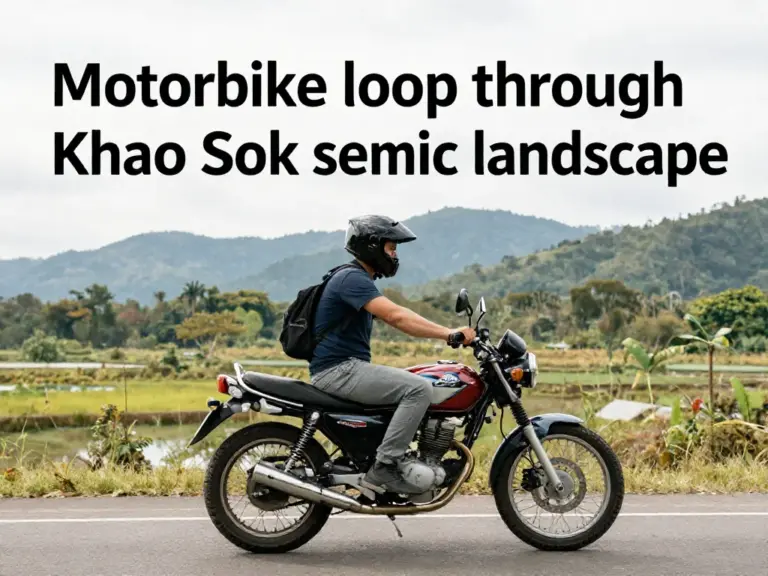
Exploring the lush rainforests and limestone karsts of Southern Thailand is an experience best measured in two wheels. A motorbike loop in Khao Sok offers freedom, spectacular views, and the ability to access hidden viewpoints that buses and organized tours often miss. Whether you are an experienced rider or a casual enthusiast, navigating the roads around Khao Sok National Park rewards you with winding mountain passes and authentic local culture. This guide covers everything you need to plan your scenic ride safely and effectively.
motorbike loop in Khao Sok: Why Choose a Motorbike for Khao Sok?
Khao Sok National Park is expansive, and while public transport connects the main hubs, it lacks the flexibility required to explore the surrounding countryside at your own pace. By riding a motorbike, you control your itinerary. You can stop for photos of the mist-covered mountains, visit local coffee shops in nearby villages, and detour to secluded lakeshores without being tethered to a rigid tour schedule. The roads here are generally paved and well-maintained, making them suitable for most riders with experience in Southeast Asian traffic conditions.
Essential Preparation for Your Ride
Before you set off on your motorbike loop in Khao Sok, preparation is vital. The climate is tropical, and weather conditions can shift rapidly from sunshine to heavy downpours. Being prepared ensures your trip remains an adventure rather than a struggle.
Bike Selection Criteria
| Bike Type | Best For | Pros | Cons |
|---|---|---|---|
| Automatic Scooter (125cc-155cc) | Casual riding, shorter distances | Easy to handle, storage | Less power on steep inclines |
| Manual/Semi-Auto (150cc+) | Experienced riders, hills | Better control, fuel efficiency | Requires gear changing skill |
| Dual Sport (250cc+) | Off-road detours, long loops | Comfortable, powerful | Higher rental cost, heavier |
Planning Your Scenic Loop
The classic loop typically starts from the main Khao Sok village area and circles through the surrounding districts. While there is no single ‘official’ route, the following path is highly recommended for its mix of scenery and road quality:
- Start: Khao Sok Village (Khlong Sok)
- Leg 1: Head toward Ratchaprapha Dam (Cheow Lan Lake). The road here is wide and scenic, passing through rubber plantations.
- Leg 2: Continue toward the Ban Ta Khun district, where you can find local markets and authentic Thai food.
- Leg 3: Loop back via the smaller, winding roads toward the park entrance. This stretch offers the best opportunities for wildlife spotting along the roadside.
Safety Checklist for Riders
- Always wear a helmet; it is legally required and essential for safety.
- Carry a valid International Driving Permit (IDP) along with your domestic license.
- Keep a physical map or an offline digital map (like Google Maps) downloaded, as cellular service can be spotty.
- Ensure your travel insurance specifically covers motorbike riding.
- Carry a rain poncho; tropical storms arrive without warning.
While the highways surrounding Khao Sok are generally quiet, you should remain vigilant. Local traffic includes large trucks transporting rubber or palm oil, and stray animals are a common hazard. Avoid riding at night, as lighting is minimal and the risk of wildlife crossing the road increases significantly. If you are not comfortable with steep gradients or sharp curves, take your time; there is no rush when you are on a scenic loop.
Conclusion
Undertaking a motorbike loop in Khao Sok is one of the most rewarding ways to see this incredible region. By combining careful preparation with a sense of adventure, you gain access to the raw, natural beauty of Southern Thailand. Remember to prioritize safety, respect the local traffic, and enjoy the freedom that comes with two wheels. Whether you are chasing sunsets over the limestone cliffs or exploring local markets, this ride will likely be a highlight of your Thai travels.
Frequently Asked Questions (FAQ)
Yes, provided you are an experienced rider. The roads are generally in good condition, but you must be prepared for winding mountain roads, tropical rain, and local traffic. Always wear protective gear.
Yes. By law, you need a valid motorcycle license from your home country, accompanied by an International Driving Permit (IDP). Many rental shops may rent without one, but you risk fines and insurance denial if you do not have them.
The best time is during the dry season, typically from November to April. During these months, you will experience the clearest skies and the driest road conditions, making for a much more pleasant ride.
References
For more information on travel safety and regulations in Thailand, you may consult the Tourism Authority of Thailand official website.