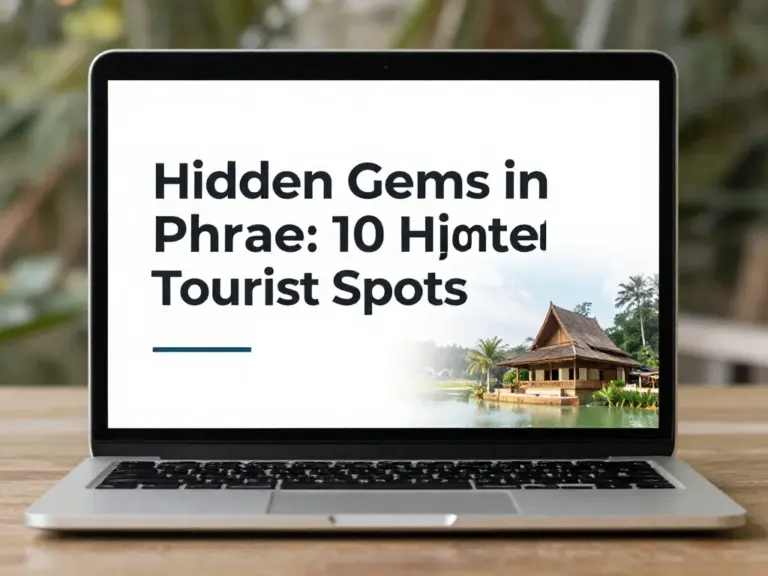
Hidden Gems in Phrae: 10 Places Most Tourists Miss
Phrae is often overshadowed by its famous neighbors, Chiang Mai and Chiang Rai. However, for travelers seeking authenticity, history, and quiet northern charm, this province is a goldmine. Finding the true hidden gems in Phrae requires looking beyond the main tourist routes. Whether you are an architecture enthusiast, a nature lover, or someone who simply enjoys the slow pace of local life, these ten spots offer a deeper connection to Northern Thailand.
Why Explore the Lesser-Known Side of Phrae?
Most travelers stick to the well-trodden path of temples and markets in the city center. While those are beautiful, the real magic of Phrae lies in its rural landscapes, teakwood heritage, and preserved traditions that haven’t been commercialized. Exploring these areas supports local communities and provides a serene travel experience that is increasingly rare in popular tourist hubs.
10 Hidden Gems in Phrae You Must Visit
If you are planning a trip, consider adding these locations to your itinerary. They represent the diversity of Phrae, from historical sites to breathtaking natural wonders.
1. Ban Thung Hong
Famous for its indigo-dyed fabric (Mo Hom), this village allows you to see the entire process from raw cotton to the final dyed garment. It is an immersive cultural experience rather than just a shopping stop.
2. Phrae City Wall and Moats
While in the city, don’t miss the remnants of the ancient city wall. It is a peaceful area to walk around and photograph the historic Lanna-style gates.
3. Khum Wong Buri
This stunning gingerbread-style teakwood house is a testament to Phrae’s history as a hub for the teak industry. The pink exterior and detailed carvings make it a architectural masterpiece.
4. Wiang Kosai National Park
Home to the Mae Koeng Luang Waterfall, this national park is perfect for hiking. It is rarely crowded, offering a private experience in the forest.
5. Wat Phra That Cho Hae
While known, many tourists visit only the main shrine. Explore the surrounding areas of the temple complex to find smaller, quieter prayer halls and viewpoints overlooking the valley.
6. Phae Mueang Phi
Often called the “Grand Canyon of Phrae,” these unique sandstone formations are a geological marvel. It is best visited early in the morning to avoid the heat.
7. Ban Prathap Chai
Another spectacular teakwood house, this site showcases traditional craftsmanship on a massive scale. The sheer amount of teak used in the construction is staggering.
8. Wat Phra That Suthon Mongkhon Khiri
This temple is a fusion of different architectural styles, including Burmese influences. The reclining Buddha and the intricate murals are highlights.
9. Mae Yom National Park
Ideal for those who love rafting and river adventures. The Yom River flows through a beautiful gorge here, providing a scenic backdrop for nature activities.
10. The Old Prison (Khum Chao Luang)
A historical site that offers a somber but fascinating look into the past. It is a unique departure from the typical temple-hopping itinerary.
Comparison of Top Phrae Attractions
| Attraction | Best For | Effort Level |
|---|---|---|
| Khum Wong Buri | History & Architecture | Low |
| Phae Mueang Phi | Photography & Nature | Medium |
| Wiang Kosai | Hiking & Waterfalls | High |
| Ban Thung Hong | Culture & Crafts | Low |
Checklist for Your Phrae Adventure
- Check the opening hours for historical houses, as they can vary.
- Carry modest clothing for temple visits (shoulders and knees covered).
- Bring mosquito repellent for national park visits.
- Download an offline map, as cell service can be spotty in rural areas.
- Respect local customs and ask for permission before taking photos of people.
Conclusion
Phrae is a province that rewards the curious traveler. By stepping away from the typical tourist trail and visiting these hidden gems in Phrae, you gain a perspective on Northern Thailand that most visitors never see. Pack your bags with an open mind and prepare for a journey into the heart of Lanna culture.
Frequently Asked Questions (FAQ)
Is Phrae worth visiting for a day trip?
While you can see some highlights in a day, Phrae is best enjoyed over 2-3 days to truly appreciate the slow pace and hidden spots without rushing.
What is the best time to visit Phrae?
The cool season, from November to February, is the most comfortable time for outdoor exploration and hiking.
Most of these locations are accessible on your own, but hiring a local guide can provide valuable context and history, especially for the teakwood houses and cultural sites.
Is English widely spoken in Phrae?
English is less common in rural Phrae than in major tourist hubs. Carrying a translation app or learning a few basic Thai phrases will be very helpful.
References
Tourism Authority of Thailand News
Official Thailand Tourism Guide