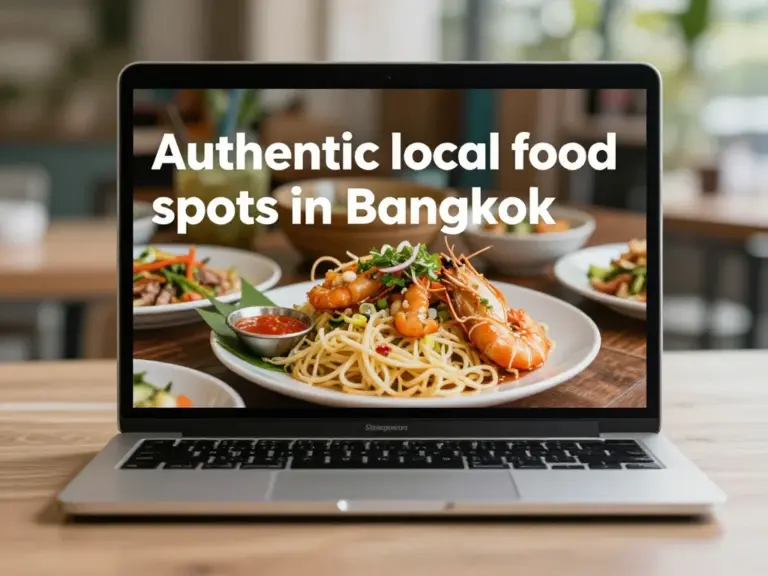
Where to Eat Authentic Local Food in Bangkok
Finding authentic local food in Bangkok can be an overwhelming experience for travelers due to the sheer volume of choices. While the city is famous for its tourist-friendly hotspots, the real magic of Thai culinary culture lies tucked away in bustling wet markets, humble shophouses, and roadside stalls that have been serving recipes passed down through generations. This guide helps you navigate the landscape of Bangkok’s dining scene, ensuring you taste the real flavors of Thailand without falling into common tourist traps.
authentic local food in Bangkok: The Philosophy of Thai Street Food
To truly enjoy authentic local food in Bangkok, you must understand the local dining culture. Unlike Western dining, where the atmosphere is often prioritized, Thai street food prioritizes freshness, speed, and the balance of the four key flavors: salty, sweet, sour, and spicy. When you see a stall with a high turnover of local customers, that is your primary indicator of quality. Don’t be deterred by plastic stools or limited menus; these are often signs that the vendor has mastered a specific dish over many years.
Top Neighborhoods for Culinary Exploration
Bangkok is a collection of villages, each with its own distinct culinary identity. Focusing on specific areas helps you narrow down your search for authentic dishes.
Yaowarat (Chinatown)
Yaowarat is arguably the heart of Bangkok’s street food scene. By night, the main road transforms into a neon-lit food paradise. Look for stalls selling rolled rice noodle soup (Guay Jub), oyster omelets, and toasted buns with various fillings. It is intense, crowded, and absolutely essential for any food lover.
Talat Phlu
Located in Thonburi, Talat Phlu offers a more nostalgic, old-school Bangkok vibe. This area is famous for its charcoal-grilled pork skewers (Moo Ping) and local desserts. It feels like stepping back in time and is much less frequented by large tour groups compared to the city center.
Bang Rak
Often overlooked, Bang Rak is a goldmine for heritage food. You will find century-old establishments serving duck rice, traditional Thai-Chinese pastries, and legendary noodle shops. It is a fantastic area to explore on foot during the day.
Comparing Dining Styles in Bangkok
| Dining Type | Pros | Cons |
|---|---|---|
| Street Stalls | Incredible flavors, very cheap, authentic experience | Limited seating, hygiene varies, can be hot |
| Shophouse Restaurants | More seating, consistent quality, reliable hours | Less atmospheric than open-air stalls |
| Air-Conditioned Food Courts | Clean, comfortable, wide variety of options | Can feel sterile, slightly higher prices |
Practical Checklist for Finding Authentic Food
Use this checklist to identify the best spots when wandering the streets of Bangkok:
- Look for the Queue: If locals are waiting in line, the food is almost certainly good.
- Specialized Menus: Stalls that only sell one or two dishes are usually masters of their craft.
- Fresh Ingredients: Observe the station; ingredients should look fresh, not wilted or pre-cooked hours in advance.
- Cleanliness: While street food is rustic, the cooking area should be orderly and the utensils should look washed.
- Time of Day: Many legendary stalls operate only during specific hours (e.g., breakfast-only or late-night only). Check the opening times.
Common Mistakes to Avoid
The biggest mistake travelers make is assuming that the most visually appealing restaurants on social media are the most authentic. Often, these places cater primarily to tourists. Avoid restaurants that have large, laminated menus with pictures of every dish in multiple languages—this is often a sign of a tourist-centric establishment. Instead, look for places that list the menu in Thai, even if you need to use a translation app to order. Embrace the adventure of pointing at what others are eating.
Conclusion
Finding authentic local food in Bangkok is about curiosity and willingness to step off the beaten path. Whether you are exploring the neon chaos of Yaowarat or the quiet alleys of Thonburi, the best meals are often found when you follow your nose and trust the local crowds. Remember that the journey is just as delicious as the destination.
Frequently Asked Questions (FAQ)
Yes, generally it is safe. High turnover is the key—if a stall is busy, the food is fresh. Avoid stalls that look completely empty or have food sitting out in the sun for long periods.
Not necessarily. In most street food areas, simple gestures and pointing work perfectly. Learning a few basic phrases like ‘mai phet’ (not spicy) can be helpful, but you will get by without fluent Thai.
Bangkok is a 24-hour food city. Breakfast time (7:00 AM – 9:00 AM) and dinner/late-night (6:00 PM – 11:00 PM) are the peak times when you will find the most variety and the freshest ingredients.